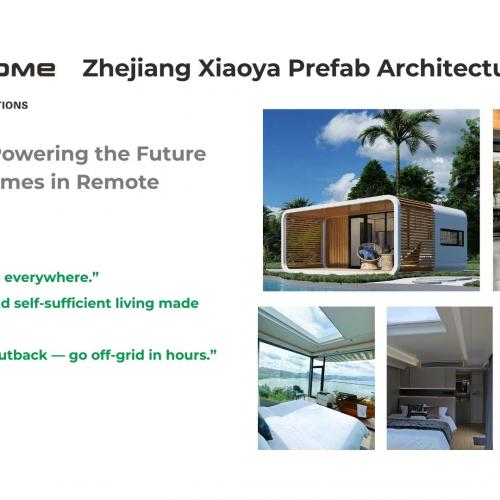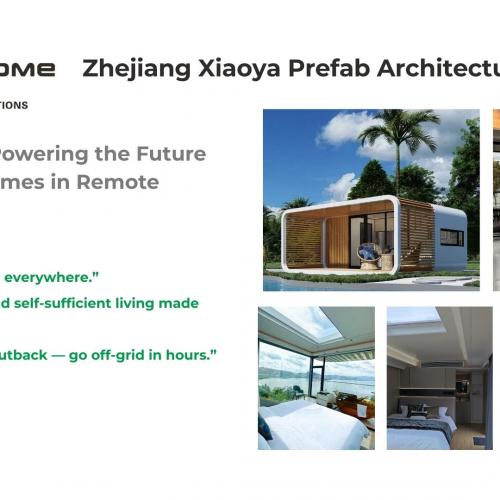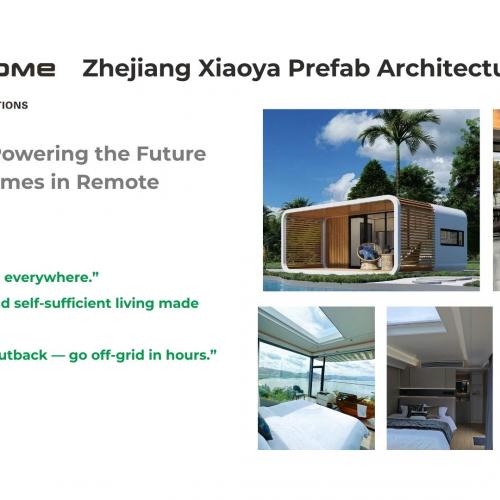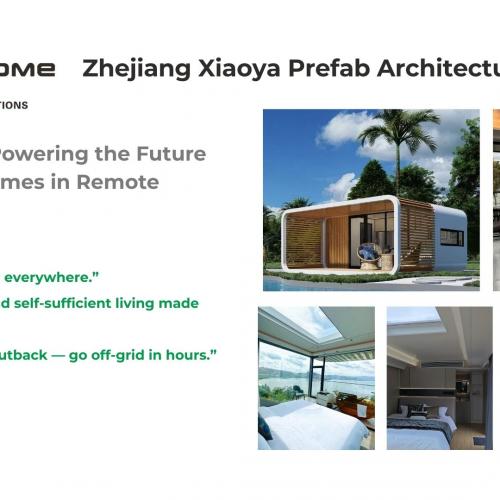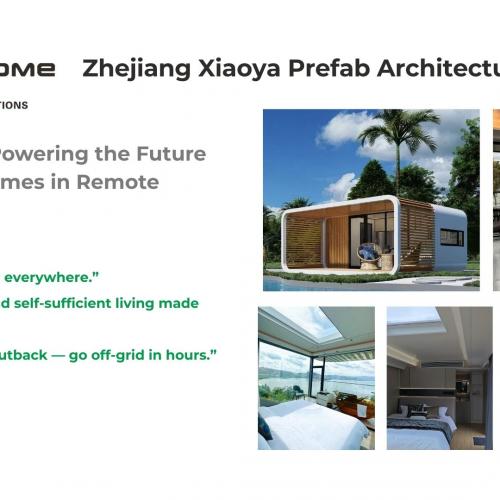
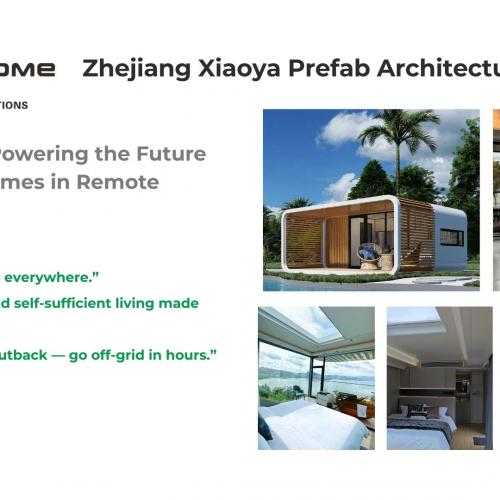
Apple Cabin Modular House: Prefab Cabin Solution for Resorts and Workforce Housing
Apple Cabin Modular House: A Practical Prefabricated Solution for Resorts, Workforce Housing, and Remote Projects

For developers and contractors looking for a fast, reliable building solution, Apple Cabin modular houses offer a practical alternative to traditional construction. These factory-built modular units are designed for quick deployment, stable structural performance, and flexible customization across multiple project types—from tourism resorts to remote workforce accommodation.
Unlike conventional buildings that rely on long on-site construction cycles, an Apple Cabin modular house is manufactured in a controlled factory environment and assembled on site within days. This approach significantly reduces construction risk, labor demand, and project timelines, which is why modular housing has become increasingly popular in global infrastructure and tourism projects.
Based on our experience exporting modular buildings to multiple overseas markets, the Apple Cabin design has proven particularly effective for resort accommodation, glamping sites, mining camps, temporary offices, and modular hotel developments.
Understanding the Apple Cabin Modular House
Structural System and Core Materials
An Apple Cabin modular house is built on a galvanized steel frame structure, designed to withstand transport, lifting, and repeated installation cycles.
The typical structural configuration includes:
-
Hot-dip galvanized steel frame
-
Insulated sandwich wall panels
-
Double-glazed aluminum windows
-
Integrated waterproof roofing system
-
Pre-installed electrical conduits and plumbing
The wall panels generally use rock wool or polyurethane insulation, depending on climate requirements. For projects in colder regions such as Northern Europe or high-altitude areas, higher insulation density is usually specified.
Roof systems are designed with multi-layer waterproof membranes, which is important for long-term durability in humid or coastal environments.
From a structural perspective, most Apple Cabin units are designed with:
-
Wind resistance up to Level 10
-
Roof load capacity of ≥150 kg/m²
-
Service life of approximately 20–30 years
These specifications allow the cabins to perform reliably in both temporary and semi-permanent installations.
Where Apple Cabin Modular Houses Are Commonly Used
Over the past few years, we have seen three main application scenarios where Apple Cabin modular houses perform particularly well.
Tourism and Resort Accommodation
Many developers now prefer modular cabins for eco-tourism resorts, glamping parks, and nature lodges. Traditional hotel construction in remote scenic areas can take 12–18 months, which delays project returns.
Using Apple Cabin modular units, developers can install accommodation clusters within a much shorter time frame.
Typical resort layouts include:
-
Individual cabin rooms
-
Family-sized holiday cabins
-
Reception or service cabins
-
Modular restaurant or lounge units
Because the cabins are factory-built, interior elements such as bathrooms, lighting, and insulation are already installed before delivery.
This greatly simplifies on-site work.

Workforce Housing for Remote Projects
Another common use is worker accommodation for mining, energy, and infrastructure projects.
In many remote project sites—especially in regions like Australia, Africa, and parts of South America—building permanent structures is often impractical due to project timelines.
Modular housing offers several advantages in these cases:
-
Rapid deployment
-
Easy relocation when projects move
-
Reduced site construction labor
-
Consistent quality control
Worker accommodation camps typically include:
-
Sleeping cabins
-
Dining facilities
-
Office units
-
Laundry and sanitation modules
Apple Cabin modular houses can be installed individually or combined into larger modular complexes depending on workforce size.
Modular Hotels and Rental Cabins
Another fast-growing market is modular hospitality construction.
Boutique hotel operators and tourism investors increasingly adopt modular systems because they allow faster scaling of accommodation capacity.
Instead of building an entire hotel structure at once, developers can expand gradually by adding additional cabin units.
This model works well for:
-
Mountain resorts
-
Lake tourism destinations
-
Island tourism projects
-
Highway rest stop accommodations
Comparing Apple Cabin Modular Houses with Traditional Construction
From a developer’s perspective, the key differences between modular construction and traditional building methods usually come down to time, cost control, and site conditions.
Construction Timeline
Traditional construction typically requires multiple stages:
-
Site preparation
-
Foundation construction
-
Structural framework
-
Roofing and walls
-
Interior installation
This process often takes several months.
With modular construction, about 80% of the building work is completed in the factory.
Once delivered to site, installation usually follows a simpler process:
-
Prepare basic concrete or steel foundation
-
Lift the modular cabin using a crane
-
Connect utilities
-
Install optional exterior decks or landscaping
A single Apple Cabin unit can usually be installed within one to three days.
Quality Consistency
Factory production allows better control over welding, structural alignment, and finishing details.
In many overseas projects, weather delays are one of the biggest risks during construction. Since Apple Cabin modules are manufactured indoors, these issues are minimized.
Cost Predictability
Traditional building projects often encounter cost fluctuations due to labor shortages, material price changes, or site conditions.
Modular buildings, on the other hand, are typically quoted as complete units, making budgeting easier for developers.
Production and Manufacturing Process
In our factory, Apple Cabin modular houses are produced using a structured manufacturing workflow.
Step 1: Structural Fabrication
The steel frame structure is fabricated using CNC cutting, welding, and bending equipment. After assembly, the steel components undergo anti-corrosion treatment and coating.
Step 2: Wall and Roof Panel Installation
Insulated wall panels are installed onto the frame. These panels are usually pre-cut according to the final layout.
Doors and windows are then installed, ensuring proper sealing and alignment.
Step 3: Interior Systems Integration
Electrical wiring, lighting, and plumbing systems are installed during this stage. Many clients also request:
-
Pre-installed bathroom units
-
Air conditioning systems
-
Built-in cabinets
This significantly reduces on-site installation work.
Step 4: Quality Inspection
Before shipment, each cabin undergoes structural inspection and system testing.
This includes checking:
-
Electrical connections
-
Waterproofing
-
Door and window alignment
-
Structural welding quality
Transportation and Export Logistics
Since Apple Cabin modular houses are built as complete units, transportation planning is important.
Depending on the model size, cabins are usually shipped using:
-
40FT High Cube containers
-
Flat rack containers
-
Bulk shipping for oversized modules
For example:
-
A 6-meter cabin can typically fit inside a standard container.
-
Larger cabins may require partial disassembly for transport.
Our export team usually prepares:
-
Packing lists
-
Container loading plans
-
Installation manuals
-
Technical drawings
These documents help overseas contractors complete installation smoothly.
Customization Options
Every project has different requirements, so customization is often necessary.
Typical customization options include:
Exterior Design
Clients may request adjustments such as:
-
Exterior cladding materials
-
Window size and placement
-
Decking or terrace structures
Interior Layout
Layouts can be adjusted to include:
-
Bathroom modules
-
Kitchenettes
-
Multiple bedrooms
Climate Adaptation
For different climates, insulation systems may be modified.
Examples include:
-
Thicker wall insulation for cold climates
-
Enhanced ventilation systems for tropical regions
Certifications and Quality Standards
Most modular building export projects require compliance with international standards.
Our modular housing production follows several certification systems, including:
-
ISO 9001 quality management
-
ISO 14001 environmental management
-
CE certification
For projects in certain countries, additional engineering documentation may be provided to meet local building requirements.
Factory Experience and Export Background
Our team has been involved in modular building production for more than two decades, with projects supplied to clients across Europe, Southeast Asia, and the Middle East.
Over the years, we have delivered modular units for:
-
Tourism accommodation projects
-
Construction site offices
-
Worker housing camps
-
Commercial modular buildings
Many overseas clients initially choose modular buildings for temporary use but later expand their projects because of the efficiency and reliability of the system.
Final Thoughts
For developers, contractors, and project investors, Apple Cabin modular houses offer a practical and efficient building solution that combines factory precision with fast on-site installation.
Whether used for tourism resorts, workforce housing, or modular hospitality projects, these cabins help reduce construction timelines while maintaining structural reliability.
If you are planning a modular housing project or resort accommodation development, our engineering team can provide layout suggestions, technical specifications, and shipping plans based on your project requirements.
Feel free to contact us to discuss your project and receive a detailed quotation for Apple Cabin modular house solutions.